
7 Massage Tips for Relaxation and Stress Relief
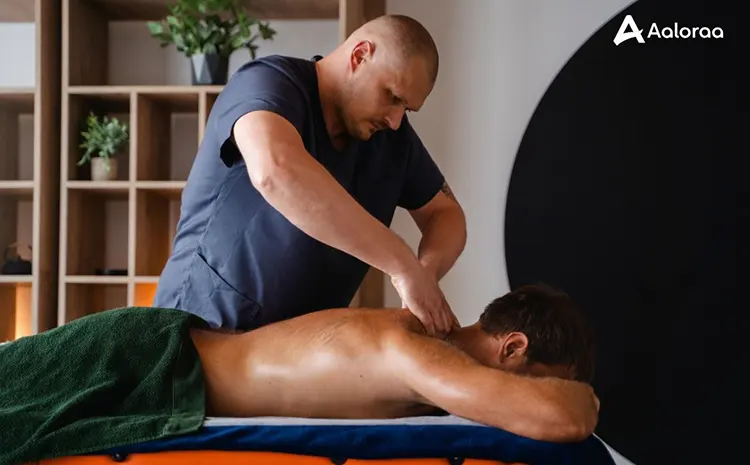
Many people find stress to be a common problem in today’s quick-paced world. With deadlines and responsibilities weighing on us, as well as the ongoing sound of digital devices, we often carry that stress in tight shoulders, stiff necks, and shallow breathing.
While visiting a professional spa can be considered a luxury, the essential secret to long-term relaxation is to use massage techniques regularly throughout your day. Massage therapy is more than a pampering treat; it is a scientifically-based way to reduce cortisol levels and activate your “rest and digest” or parasympathetic nervous system.
Use these seven essential massage techniques to remove or melt away the stress and reclaim your inner peace.
Here are some helpful ways to massage your way to less stress and find peace within you: How to De-Stress with Massage
1. Learn to Use Effleurage (Gentle Stroking) Correctly

Effleurage is one of the best ways to begin a massage session, no matter who you are massaging—yourself or someone else, a tip often shared by Jammu call girls who enjoy holistic self-care practices. Effleurage is the application of long, smooth strokes with the palm of your hand. The goal here isn’t to work through deep knots immediately, but to warm up the skin and subcutaneous tissues. Use a light to medium pressure and move in the direction of your heart to encourage lymphatic drainage and signal to your nervous system that it is time to slow down.
2. Focus on the “Tension Triad”: Neck, Shoulders, and Jaw
Most of us carry the “weight of the world” squarely in our upper body. To release this, place your fingertips at the base of your skull and apply gentle, circular pressure as you move down toward your shoulder blades. Don’t forget your jaw; stress often leads to clenching. Using your index and middle fingers, gently massage the joint where your upper and lower jaw meet, just below your earlobes. Small, circular motions here can release a surprising amount of held tension.
Also Read: Ergonomics At Work: You Should Pay Attention To This
3. Incorporate Aromatherapy for Sensory Calm
Massage is a multisensory experience. Using essential oils with calming properties can help create a body-response that provides a sense of calmness and comfort. Lavender, chamomile, and bergamot essential oils have also been shown scientifically to help alleviate anxiety and improve sleep quality. Mix a few drops of your chosen essential oil into a carrier oil (like jojoba or sweet almond oil) before you begin. The scent will linger, acting as a sensory anchor that helps your brain drop into a relaxed state more quickly.
4. Use Breath as Your Massage Anchor
It is common to hold your breath when you are working on a particularly sore “knot.” This is counterproductive. Instead, use your massage as a meditative practice. As you apply pressure to a tight area, inhale deeply. As you release that pressure or perform a long stroke, exhale slowly. Matching your movements to your breath prevents you from tensing up during the massage and helps you identify where your body is resisting relaxation.
5. Utilize Tools for Hard-to-Reach Areas
You don’t need a professional therapist to get into the deep tissue of your back, and this is something Liverpool escorts who focus on home wellness practices often point out. Tennis balls or foam rollers are excellent tools for self-massage. For example, place two tennis balls in a sock and lie on the floor with them positioned on either side of your spine. By simply resting your body weight onto the balls, you create a “trigger point” release that mimics a therapist’s thumb. Move slowly and breathe through the pressure.
6. Keep It Slow and Intentional
One of the biggest mistakes people make when self-massaging is moving too fast. Rapid, jerky movements stimulate the muscles and can actually cause more tension. To truly relax, move at half the speed you think you should. When moving slowly, your hands allow your muscles to “melt” away instead of tensing up against your touch. Consider your hands tools for providing comfort rather than simply being used to get work done.
7. Hydrate to Flush the System
Deep tissue work or intense self-massage releases metabolic waste products—such as lactic acid—that have been trapped in your muscle tissue. This is why you might feel thirsty or slightly sluggish after a good massage. Drink a large glass of room-temperature water immediately following your session. As much as hydration helps to flush toxins from your body so you do not feel sore after receiving a massage, it also helps keep your muscles flexible and well-hydrated.
Developing a Routine
You will develop relaxation skills the same way you develop all of your other skills; with time and repetition. You can experience benefits from doing just five minutes of physical activity on your neck and shoulders each night before you go to bed.
These seven ways help not only eliminate the temporary pain that might occur but also teach the body to return to its normal state. Start small, care for your muscles, and remember to enjoy the peace and stillness you create.
Also Read: Wellhealthorganic Surgery for Wrist and Ankle Injuries